

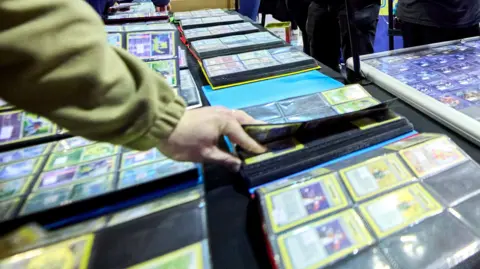
The search term “sports card shows in north carolina” reflects a growing interest in regional collectibles markets, especially within the trading card community. North Carolina has become a notable hub for sports card events, hosting a wide range of shows that attract collectors, vendors, and enthusiasts from across neighboring states. These events continue to grow in size, frequency, and participation, making the state an important part of the national collectibles ecosystem.
From a statistical perspective, North Carolina’s sports card scene shows consistent expansion. Multiple events are scheduled throughout the year in cities such as Charlotte, Raleigh, Greensboro, Asheville, and Wilmington. Event listings indicate that some shows feature dozens of vendor tables, while larger conventions can scale to hundreds, reflecting strong and sustained demand within the hobby.
A common question among collectors is what defines a sports card show in North Carolina. These events are organized marketplaces where sports cards, memorabilia, and trading collectibles are bought, sold, and traded. Vendors typically include individual collectors, professional dealers, and hobby shops. The environment allows for direct interaction, where attendees can physically inspect cards and negotiate prices in real time.
Another frequently asked question is how often these events take place. Data from regional event schedules shows that North Carolina hosts sports card shows on a weekly and monthly basis. Some cities maintain recurring monthly events, while others host seasonal conventions that attract larger crowds. For example, larger shows in the state can span multiple days and include hundreds of vendor tables, highlighting the scale of collector engagement.
Collectors also often ask what types of items are available at these shows. Sports card shows in North Carolina typically feature baseball, basketball, football, and hockey cards as the core categories. In recent years, there has also been increased representation of Pokémon and other trading card games, reflecting broader hobby diversification. This mix has helped expand the audience base and attract younger collectors alongside experienced hobbyists.
A major reason for the popularity of these events is the preference for in-person evaluation. Market behavior data suggests that collectors value the ability to inspect card condition firsthand, particularly for graded or high-value items. Elements such as centering, corners, surface quality, and authenticity are easier to assess in person, reducing uncertainty compared to online listings.
Another frequently asked question concerns pricing dynamics at sports card shows. Unlike fixed online prices, card values at live events are often flexible and influenced by negotiation. This creates a dynamic marketplace where buyers and sellers can adjust pricing based on demand, rarity, and condition. As a result, attendees often find opportunities for both competitive deals and high-value trades.
Accessibility is also a key factor contributing to the growth of sports card shows in North Carolina. Events are typically held in easily reachable venues such as convention centers, hotel ballrooms, community halls, and sports complexes. Entry fees are generally low, and some events even offer free admission, encouraging broader participation across different age groups and experience levels.
Another important aspect is the community-driven nature of these events. Collectors often use sports card shows as networking opportunities, building long-term relationships with vendors and fellow enthusiasts. These connections frequently lead to better trading opportunities, early access to rare items, and shared knowledge about market trends and grading practices.
From an economic perspective, North Carolina’s sports card shows contribute to a stable and growing local hobby economy. The consistent scheduling of events, combined with strong vendor participation, indicates a healthy demand cycle. Larger shows also attract out-of-state visitors, further strengthening the regional market influence.
In conclusion, the rising interest in sports card shows in North Carolina reflects a strong and evolving collectibles culture. These events provide structured, interactive, and community-focused environments that support both buying and trading activities. With increasing attendance, diversified collectibles, and expanding event networks, North Carolina continues to establish itself as a key destination for sports card enthusiasts across the region.